
How Puppets Encourage Play: Six Ideas for Storytelling and Conversation
Editorial note: This restoration adapts the original guest article. The guest byline and first-person account are retained.
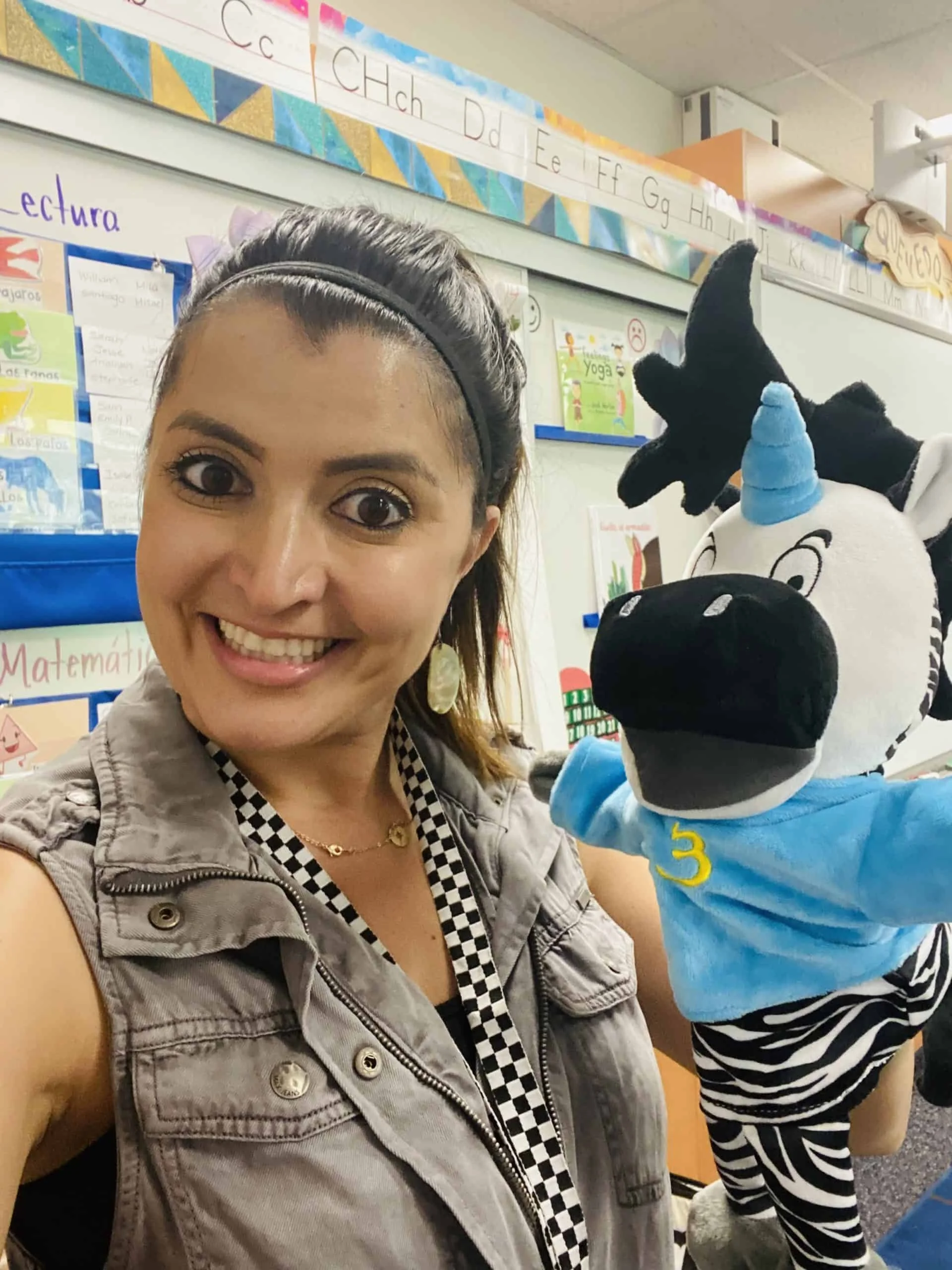
From Unicorn Jazz InspirED collection, By Lori Vasquez, RN BSN, PMHNP How Puppets Encourage Play Puppets can be used for storytelling, conversation, and imaginative play with children. As a Psychiatric-Mental Health Nurse Practitioner (PMHNP), I have experienced firsthand the extraordinary influence puppets can bring to everyday play and learning. During puppet playtime, children can make up characters, conversations, and situations. Adults can invite them to tell stories, talk about feelings, and try out different viewpoints. Six Ideas for Playing with Puppets:
- Practicing Conversation: Invite children to give puppets voices, try out words, and make up conversations.
- Making Up Stories: Invite children to create characters, settings, and a beginning, middle, and end for a puppet story.
- Trying Different Viewpoints: Use two puppets to act out different viewpoints, then ask what each character might be thinking or feeling.
- Talking About Feelings: Invite children to choose a feeling for a puppet and describe a situation in which the character might feel that way.
- Creating a Show Together: Invite children to take turns with characters and plan a short puppet show together.
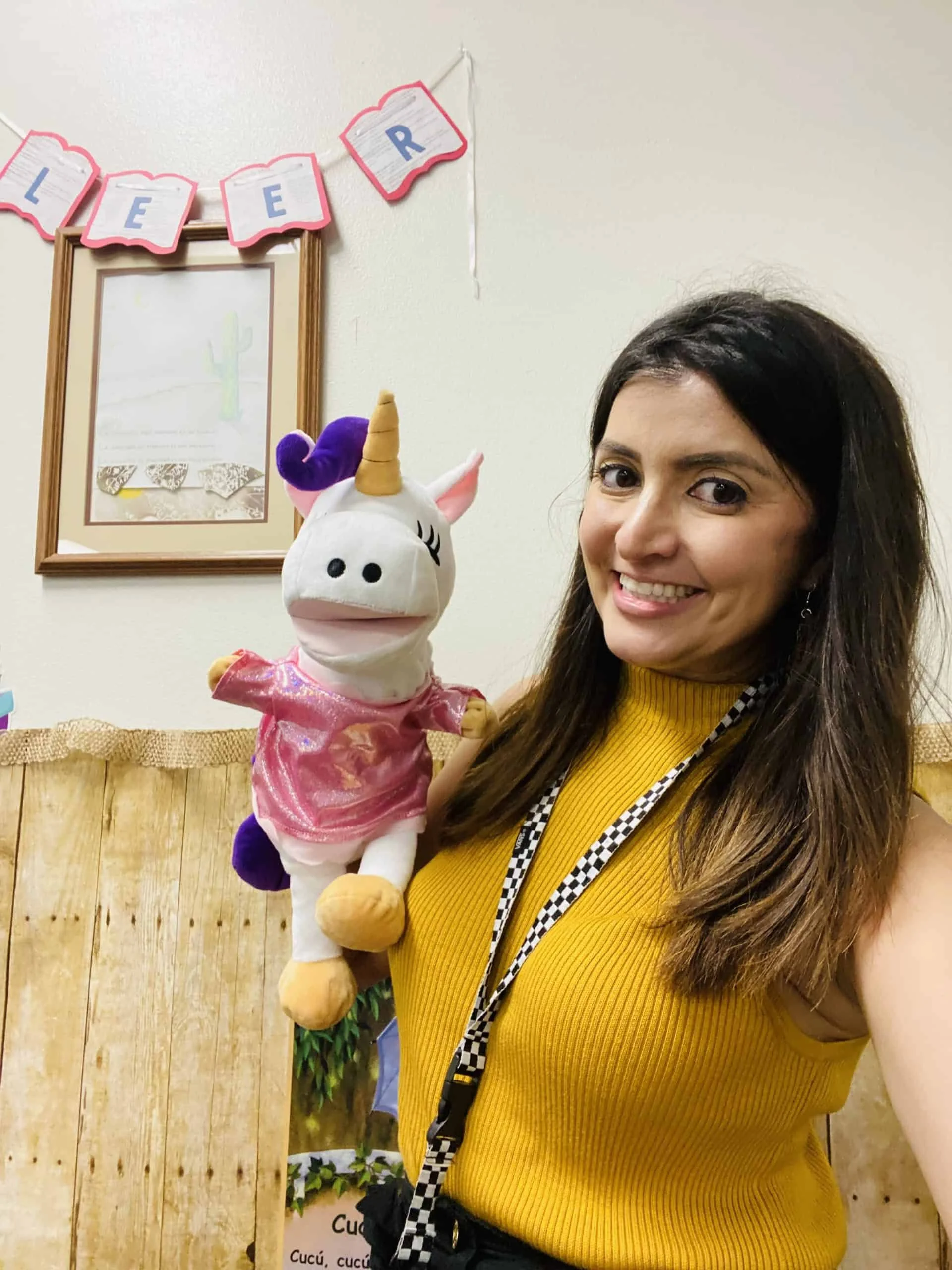
- Moving the Puppets: Try opening and closing a puppet’s mouth or moving it to match a story or song.
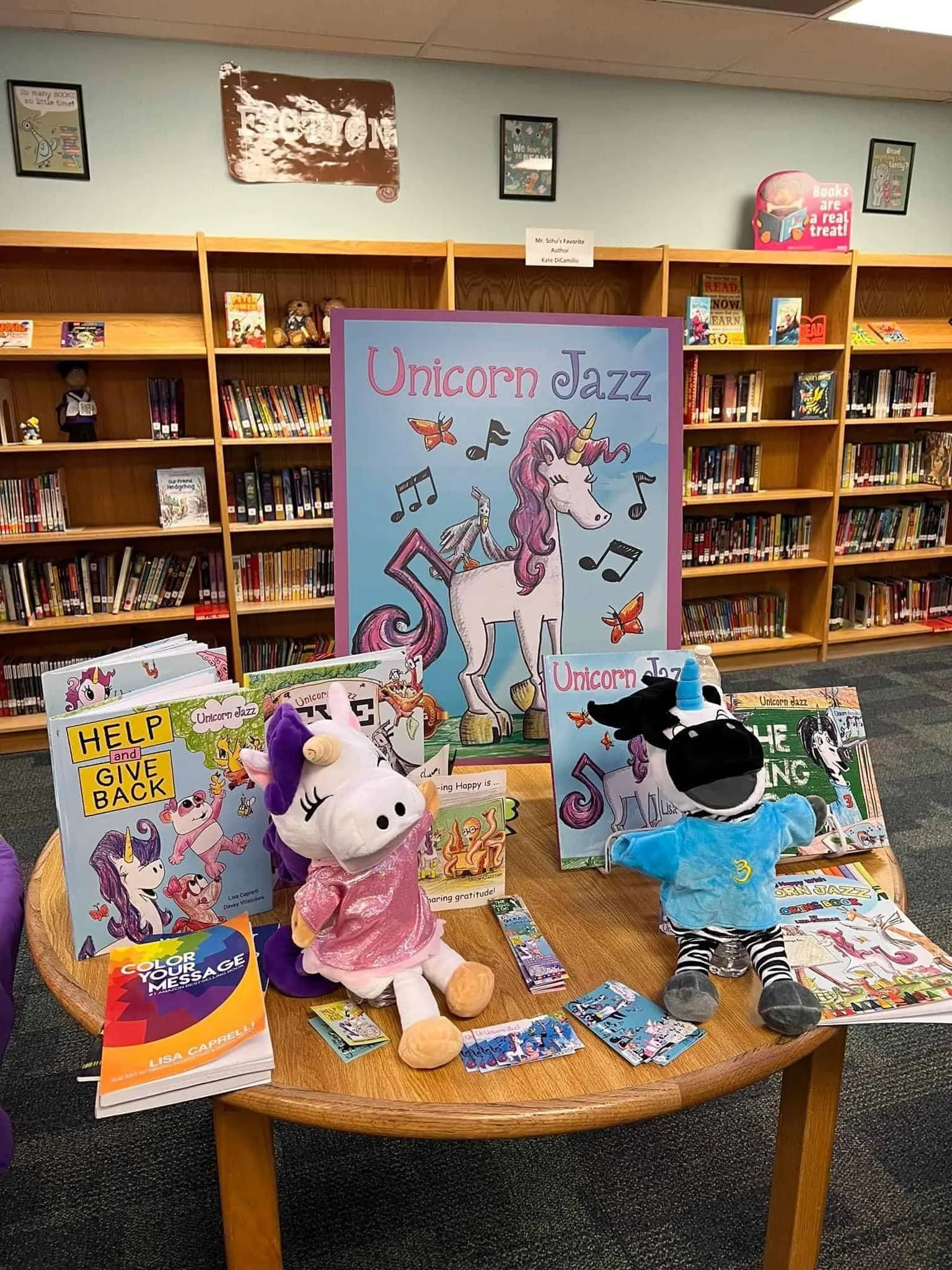 Puppets offer a playful starting point for stories, conversations, and shared activities. Try an idea that interests your child and adapt it to their interests.
 References:
Berk, L. E., Mann, T. D., & Ogan, A. T. (2006). Make-believe play: Wellspring for development of self-regulation. In D. G. Singer, R. M. Golinkoff, & K. Hirsh-Pasek (Eds.), Play = Learning: How play motivates and enhances children's cognitive and social-emotional growth (pp. 74-100). Oxford University Press. Goldstein, T. R. (2011). Correlations among social-cognitive skills in adolescents involved in acting or arts classes. Mind, Brain, and Education, 5(2), 97-103. Ranz-Smith, D. J. (2007). Teacher perception of play: In leaving no child behind are teachers leaving childhood behind? Early Education and Development, 18(2), 271-303. Russ, S. W. (2004). Play in child development and psychotherapy: Toward empirically supported practice. Psychology Press.