The Reading Crisis in Schools: Why Our Children Struggle to Read and What We Can Do About It
Reading difficulties are a serious concern for schools and families. National reading assessment results raise concerns about reading achievement in elementary and middle school, an issue that matters to educators, parents, and society. As a children’s author, I’ve seen firsthand the transformative power of reading in young lives, and I believe this is an urgent issue we must address.
Dear Educators,
As a children’s author, I’ve had the privilege of seeing how powerful literacy can be in shaping young minds. I have the honor of meeting students and teachers all over the country with my author visits. Yet, many of our students today struggle to master this fundamental skill which is why I wrote this article: The Reading Crisis in Schools: Why Our Children Struggle to Read and What We Can Do About It. I’m reaching out to you because you are on the front lines of this challenge. Across the country, reading scores have dropped, and more children are falling behind in literacy. I’d like to hear from you—what do you think are the key reasons behind this issue?
Why are so many students struggling to read at grade level, and what solutions have you found effective or would like to see implemented? Your insights are invaluable as we work together to tackle this crisis and give every child the opportunity to thrive.

The Alarming Statistics
In the 2022 national NAEP reading assessment, 33% of fourth graders scored at or above NAEP Proficient. NAEP and state proficiency standards differ, so this does not mean that two-thirds were below grade level. These results offer a snapshot of reading achievement in 2022.
Where Can We Support Young Readers?
Here are some ways schools and families can support young readers:
- Make Time for Reading: Families and schools can make room for books, conversation, and focused reading alongside digital activities.
- Access to Books and Learning Resources: Schools and communities can ask families what barriers they face in finding books, using libraries, and accessing learning materials, then plan support around those needs.
- Support for Teachers: Schools can review whether teachers have the time, materials, training, and specialist support needed to help readers with different needs.
- Foundational Reading Instruction: The What Works Clearinghouse K–3 guide recommends teaching sound–letter relationships and decoding, alongside language development and daily reading of connected text.
The Urgent Need for Action
We must take a multi-faceted approach to address this literacy crisis, engaging educators, policymakers, parents, and community leaders to work together. Here’s what can be done:
- Strengthen Foundational Reading Instruction: Phonics teaches relationships between letters and sounds and their use in reading and spelling. Schools can review how systematic phonics fits within instruction that also develops fluency, vocabulary, and comprehension.
- Access to Books and Libraries: Schools and communities need to provide access to books in both physical and digital formats, especially for underprivileged students. Initiatives like classroom libraries, book fairs, and partnerships with local libraries can ensure every child has a book in their hands.
- Professional Development for Educators: Schools can provide ongoing professional learning and time for educators to review evidence-based reading practices and adapt instruction to their students.
- Parental Involvement: Parents play a critical role in developing their children’s reading skills. Parents can contribute to their children's reading development by encouraging daily reading habits at home, modeling a love for books, and engaging in literacy activities. Schools can support this by providing resources for parents, such as reading guides and workshops.
- Use Technology Purposefully: When choosing a reading app or platform, educators can examine its evidence, accessibility, and fit for their students, then check whether it supports the intended learning activity.
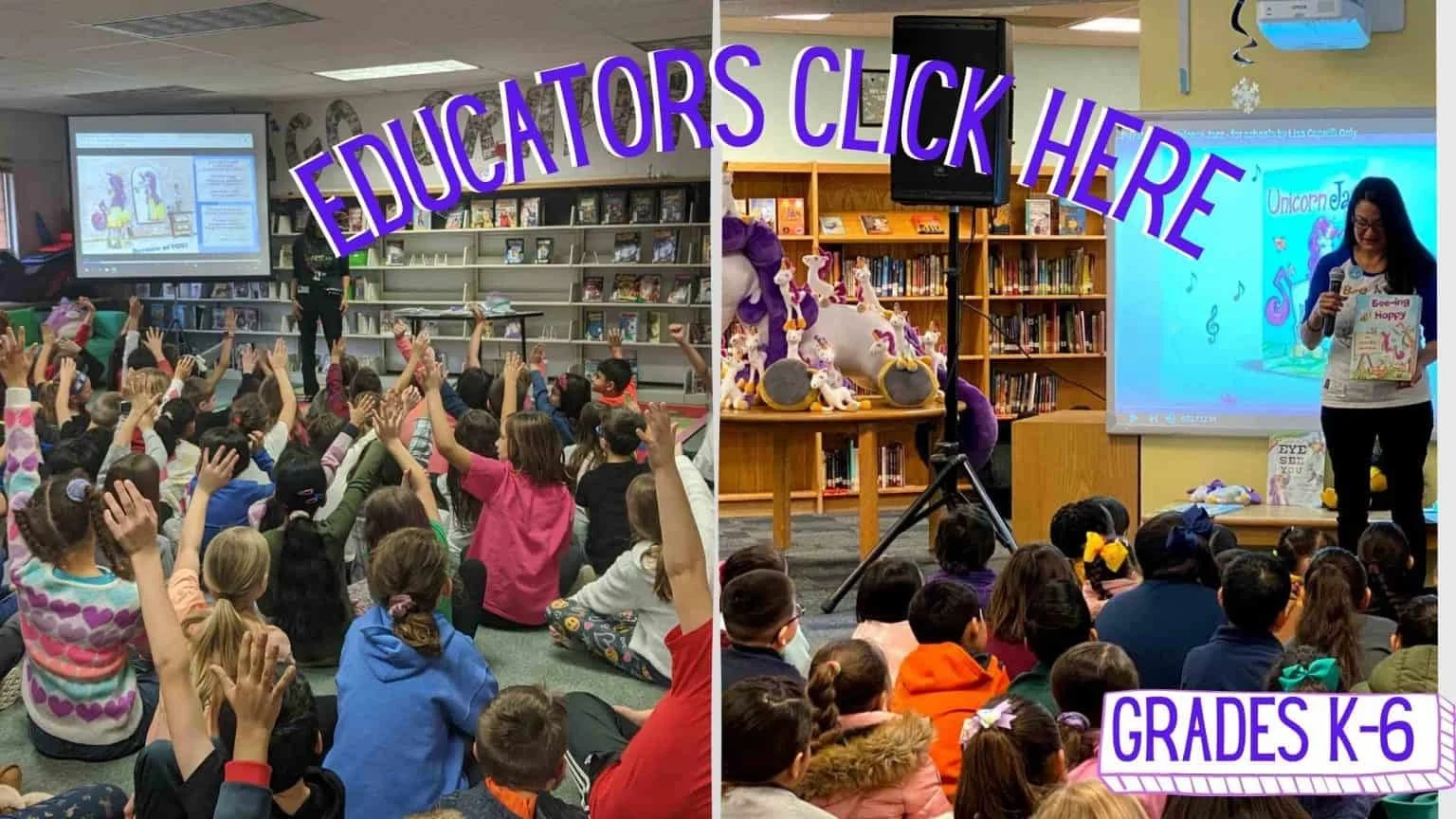
- Foster a Love of Reading Early: Creating a school reading culture is essential. This can be done through author visits, reading challenges, and book clubs. These activities can offer welcoming opportunities to explore books and talk about stories.
The Role of Educators, Parents, and the Community
The literacy crisis in our schools is not just a problem for educators; it is a challenge for all of us. As a children’s author, I understand the life-changing potential that reading holds. It is up to educators, principals, and community leaders to rally together and make literacy a priority. By reviewing evidence-based instruction, supporting teachers, and helping children find books they want to read, we can work together to support their reading development.
For the sake of our children and their futures, we must act now.
Sources:
